How AI In Sports Is Changing Performance For Teams Everywhere
Author:Mike Fakunle
Released:October 10, 2025
AI in sports performance is growing rapidly as teams seek new ways to improve results. Many coaches now rely on data tools that study every move, pattern, and play in simple, clear ways.
This technology helps teams make smarter choices in training and games. It gives coaches and players facts that support better skills, safer training, and stronger teamwork.
Understanding Why AI Matters In Modern Sports
How The Demand For Data Grew
Sports analytics became important when teams saw how data could expose hidden problems. Coaches moved away from guessing and began trusting clear numbers that show how much effort players give, how they move, and when they slow down.
What Beginners Need To Know About AI In Sports
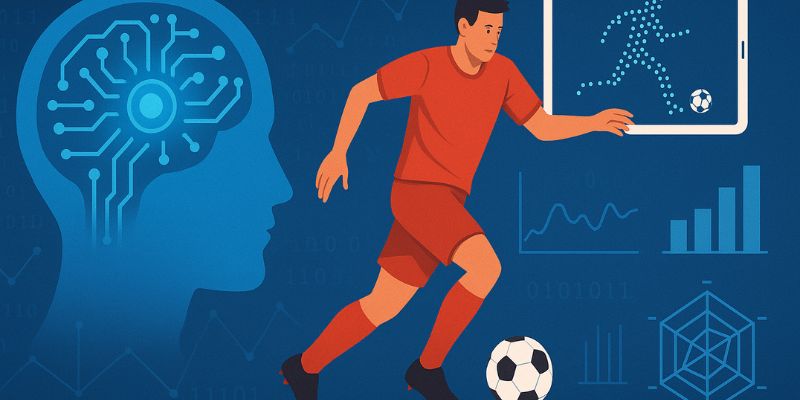
AI reviews huge amounts of athlete data tracking faster than any human can. It finds trends in speed, strength, or errors. These insights guide coaches seeking simple, trusted views of player growth.
How Teams Use AI To Study Player Performance
Motion Tracking Technologies
Teams use GPS vests and camera systems to watch how players move. These tools measure speed, turns, power, and stress levels. Using this, sports analytics becomes easier for coaches because they can view progress and limits in one place.
AI Tools That Predict Injury Risks
AI studies the body’s workload and warns when an injury may happen. Small changes in force, steps, or heart rate are checked by predictive sports technology. This lowers injury cases and protects players who train often.
Breaking Down Performance Analytics
AI compares game results with training results. It also shows weak spots, such as slow reactions or overworked muscles. This kind of athlete data tracking helps coaches improve training plans in simple steps.
How AI Helps Coaches Build Smarter Game Strategies
Opponent Analysis Using Models
Teams use AI to study rival habits by checking old match videos and movement data. Predictive sports technology looks for patterns such as passing style, common setups, and pressure points. These patterns help build smarter plans.
AI-Assisted Decisions During Games
During matches, tools show real-time sport analytics. AI might suggest new formations, faster plays, or when to rest a tired player. Game strategy analysis becomes more accurate because it uses real data from each moment.
Scouting And Player Recruitment
AI tools rank players based on long-term stats. They catch hidden talent and reduce scouting mistakes. Clubs save time because the system already performs detailed game strategy analysis.
Popular AI Technologies Used In Professional Sports
Computer Vision Systems
These systems read videos and tag events such as passes, shots, fouls, or sprints. Computer vision supports athlete data tracking by turning fast movements into clear and simple data for coaches.

Machine Learning Models
Machine learning powers predictive sports technology. It analyzes large datasets to predict future outcomes. It can predict how a player may develop or which actions may lead to mistakes during a game.
Wearables And Smart Sensors
Wearables track heart rate, sleep, and body stress. They help players manage rest and energy. This supports AI in sports performance by providing systems with fresh data every day.
Real Examples Of AI Changing Sports
Football
AI tools help review heatmaps, passing choices, and pressure zones. They show where a player spends most of the game and where movement can be improved. This supports deeper sports analytics.
Basketball
In basketball, tools check shot types and success rates. AI can also test different team lineups and show which groups score better. These insights come from advanced predictive sports technology.
Tennis
AI studies serve swing shape and footwork. Motion tools compare small details that decide how strong or weak a technique is. Many tests use material that was once reviewed by groups such as the International Tennis Federation.
Challenges And Limits Of AI In Sports
Data Accuracy Concerns
AI depends on clean numbers. If cameras fail or sensors slip, the data changes. Wrong numbers lead to weak sports analytics and incorrect advice.
Tech Access And Cost Gaps
Large teams can buy strong systems. Smaller teams may only use basic tools. This means the quality of game strategy analysis is not equal across all sports groups.
Ethical Issues
Athletes may worry about how their data is stored. Many rules focus on protecting private information. Groups such as FIFA support data safety in global sports.
The Future of AI In Sports Performance
More Personalized Training
Future systems will create training plans that match each player’s body type. They will use athlete data tracking to pick the right drills, rest times, and speeds.
Growth Of AR And VR Tools
AR and VR tools let players relive game moments in a safe space. These tools use models that compare their reactions to patterns observed in the past, much as systems used by research groups such as MIT do.
Tracking Mental Performance
New AI tools may study stress and focus. Coaches can adjust game strategy analysis when a player shows signs of mental pressure.
Why AI Will Continue To Shape How Teams Improve Performance
AI in sports performance will rise as teams search for simple, trusted ways to grow. These tools help prevent injuries, improve plays, and guide fair recruitment. The use of sports analytics, athlete data tracking, predictive sports technology, and game strategy analysis will remain important as sports continue to evolve.
Sources
Don't Miss

Real-Time Video Generation AI and Its Impact on Media Creation

AI Conversational Tools for Mental Health Support: Beyond Traditional Therapy

Better Video Quality Made Easy: Tips and Tools for Creators

How to Choose AI Hardware for Performance, Efficiency, and Scale

The Dark Side Of AI: Privacy Risks You Should Know Today